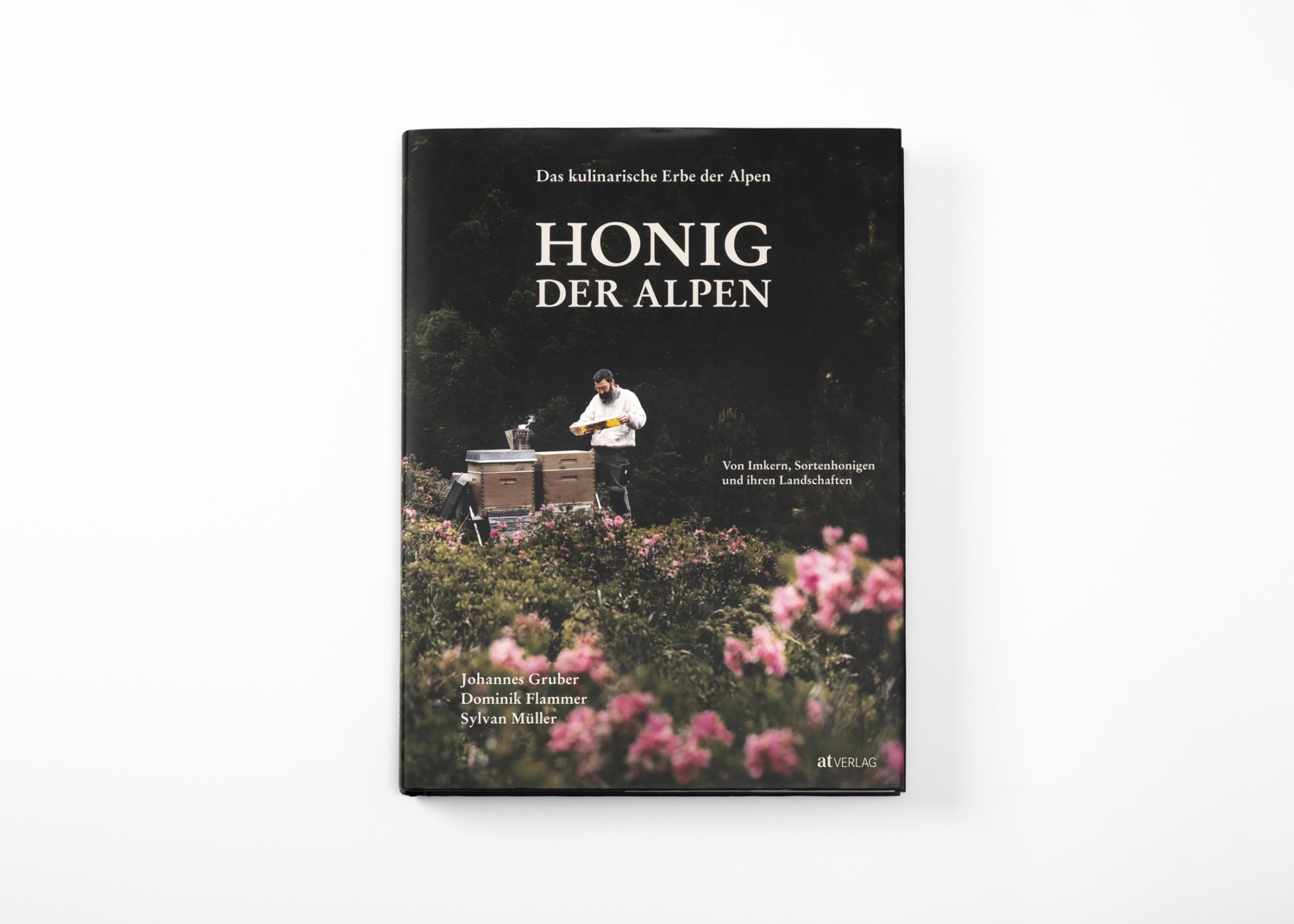
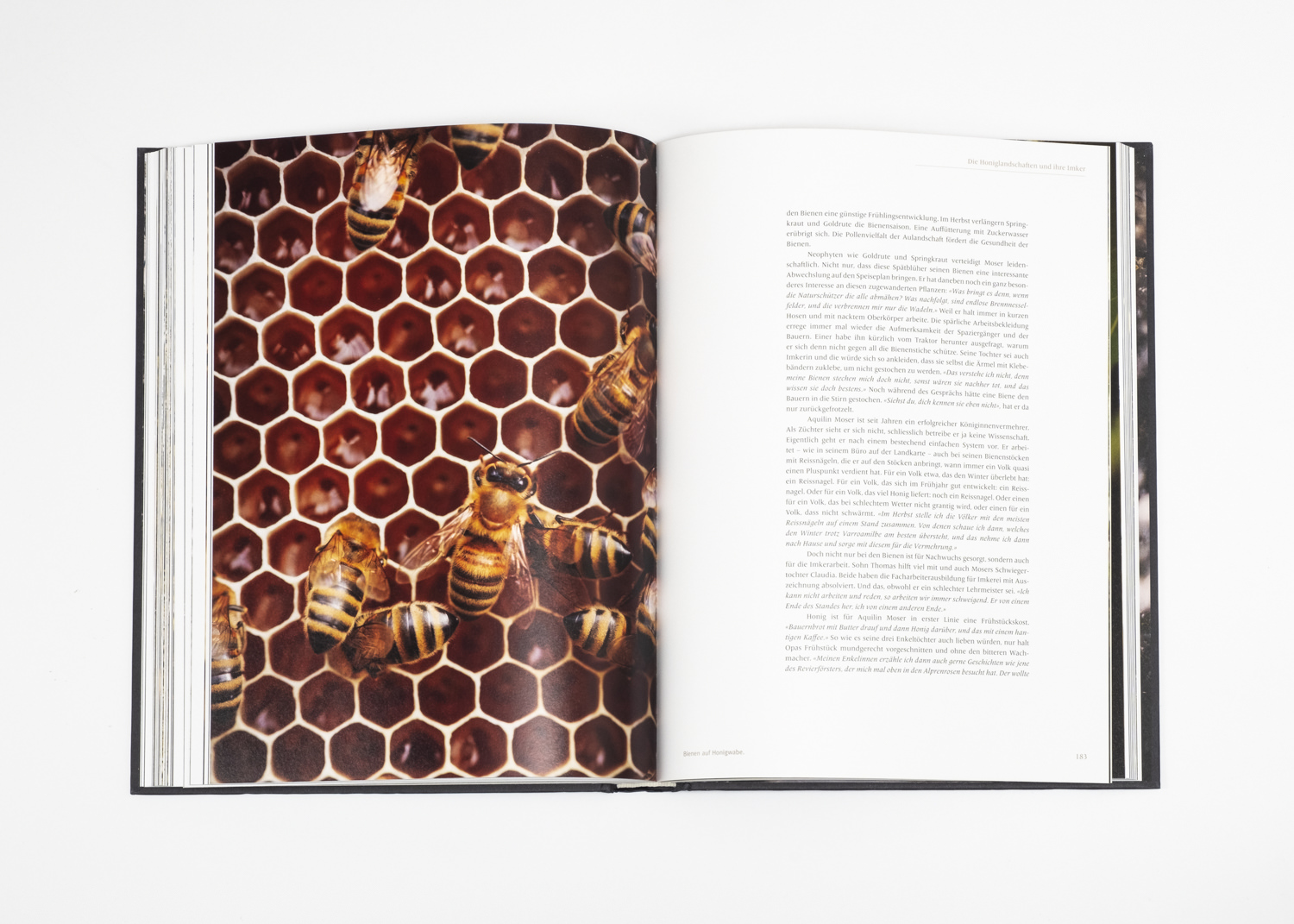
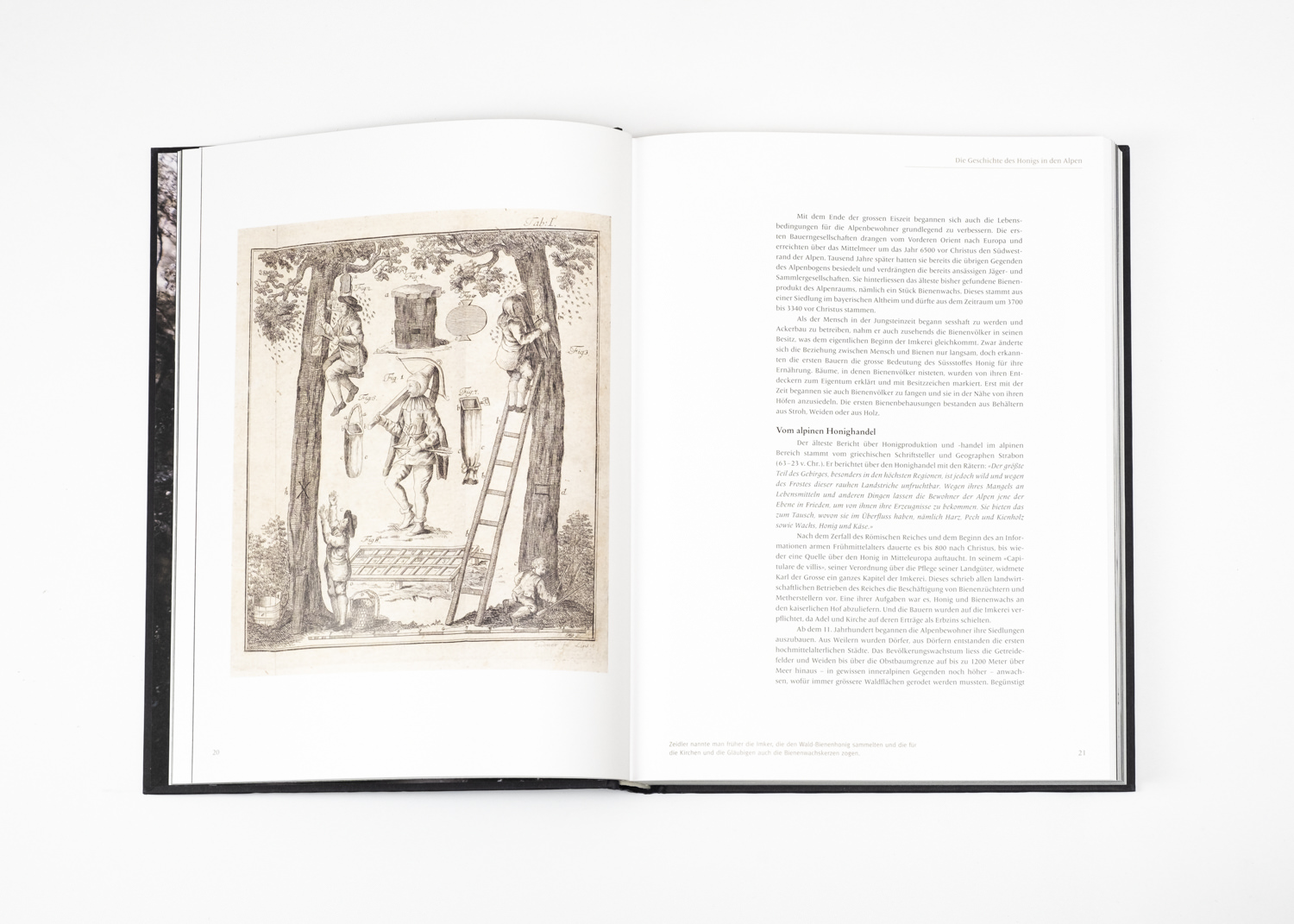
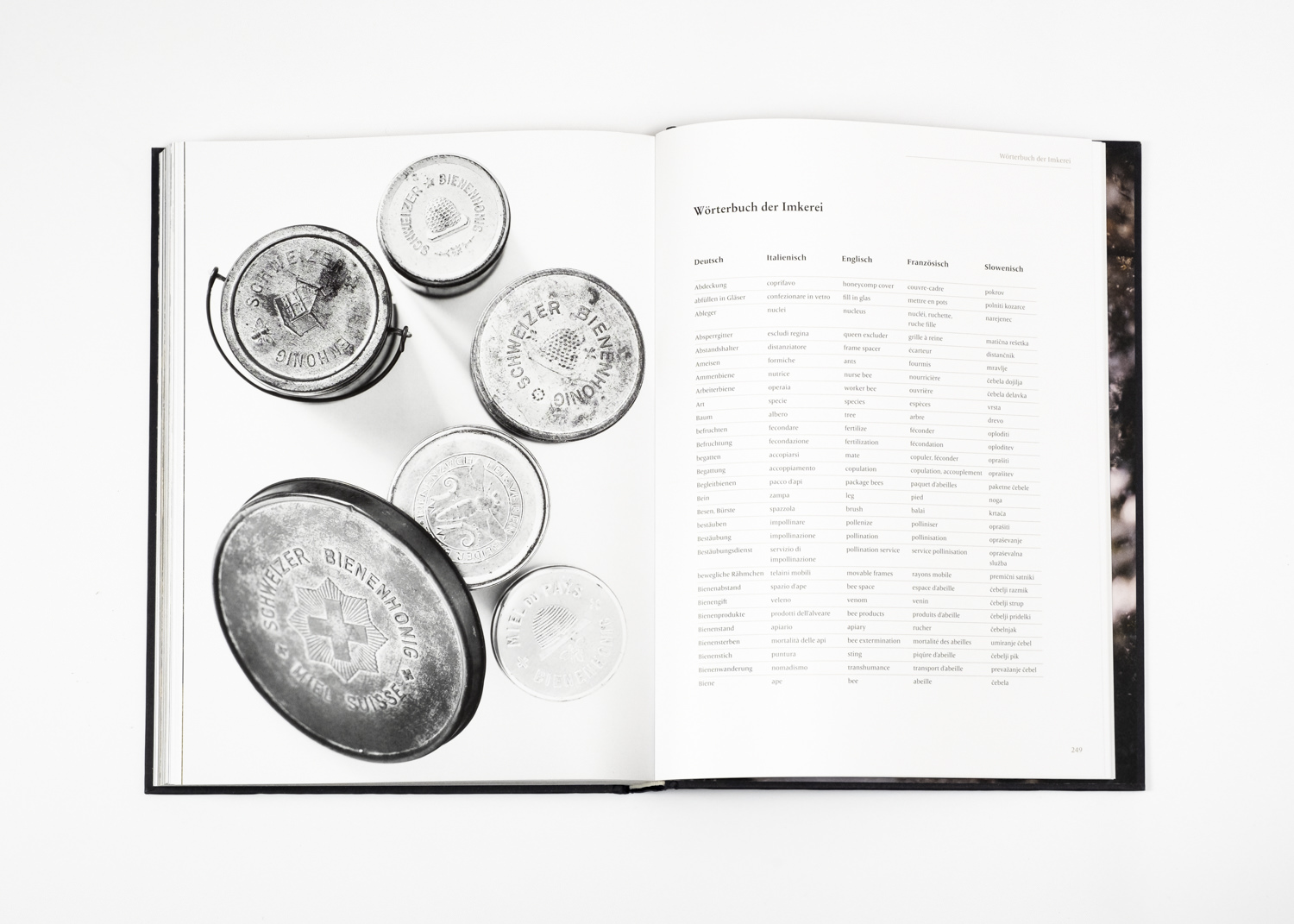
Rare historical images round out the story of the Alpine bees’ origins and the rise of migratory beekeeping. The beekeeping museum in Radovljica yielded photographs and paintings from the early days of the craft. Further images came from private collections in northern Italy and from the Universalmuseum Joanneum in Styria. The search for historical beekeeping technology led all the way to an archive in North America.
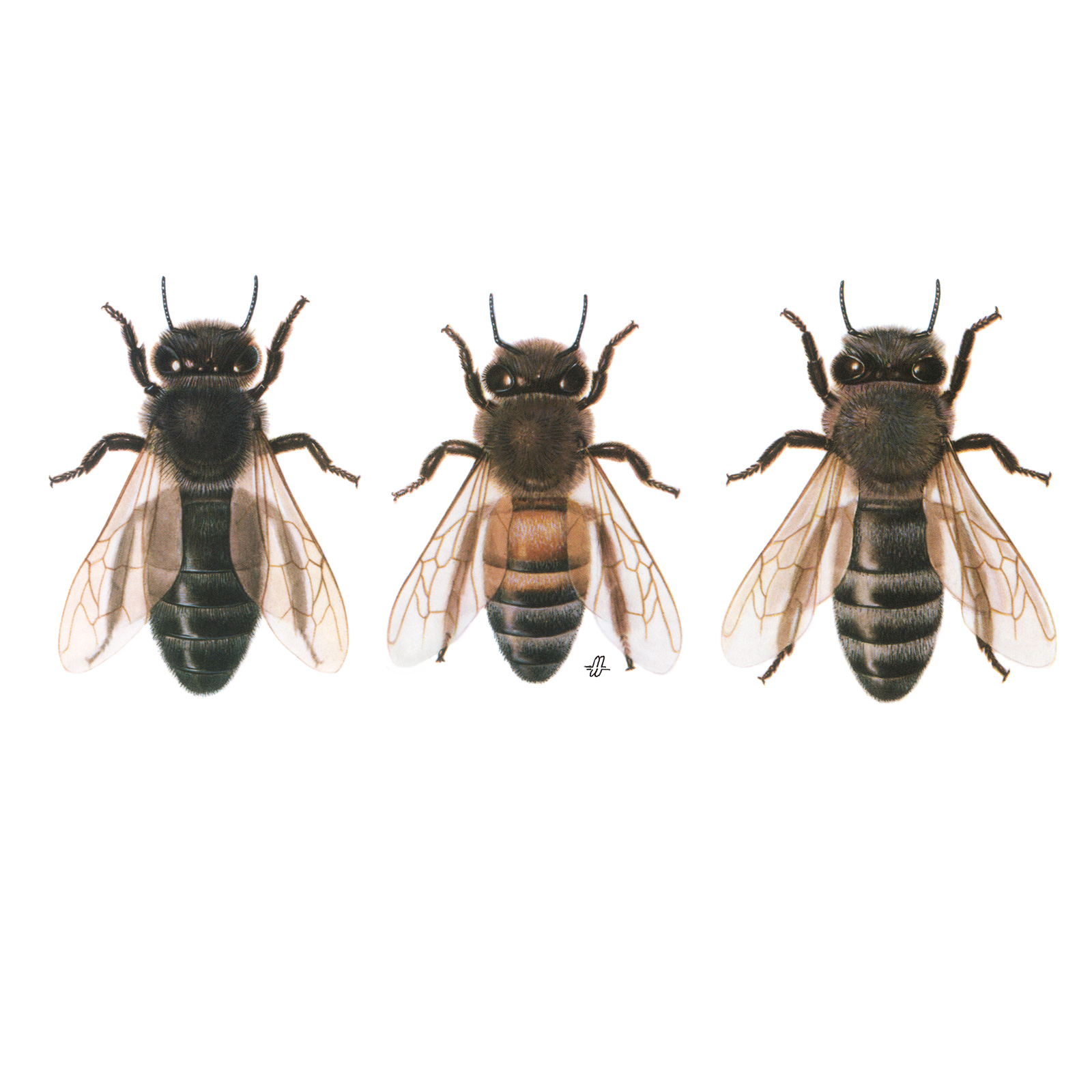
Ilse Huber, science journalist at Ö1, led the public conversation at the book launch with the landscape beekeeper Johannes Gruber, the food researcher Dominik Flammer and the image researcher Monica Rottmeyer. It was Rottmeyer who had found the only known scientific drawing that shows all three Alpine bee breeds together, in the archives of the Department of Evolutionary Biology at the University of Vienna.
Source: Werkraum Honig (landschaftshonig.at), event of 12 November 2021, retrieved 18 August 2026.